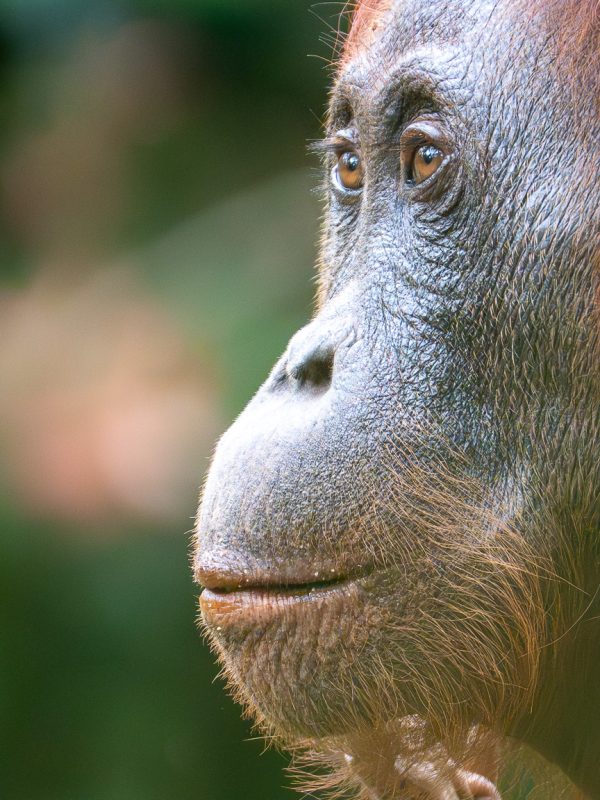
Many travelers are surprised to learn that orangutans are not all the same.
There are actually different species of orangutans living in Indonesia, and the two most famous are the Bornean orangutan and the Sumatran orangutan. At first glance they may look similar — both with reddish hair, long arms, and intelligent eyes — but they have important differences in appearance, behavior, habitat, and lifestyle.
Understanding these differences makes every orangutan encounter even more fascinating, especially when exploring the rainforests of Tanjung Puting National Park or Sebangau National Park.
At orangutantour.co, we love helping travelers connect more deeply with the incredible wildlife of Borneo.
What Are the Main Orangutan Species?
Today, scientists recognize three species of orangutans:
- Bornean orangutan (Pongo pygmaeus)
- Sumatran orangutan (Pongo abelii)
- Tapanuli orangutan (Pongo tapanuliensis)
The most commonly known are the Bornean and Sumatran orangutans.
As their names suggest:
- Bornean orangutans live on the island of Borneo
- Sumatran orangutans live on the island of Sumatra
Both species are endangered and protected.
Physical Differences Between Bornean and Sumatran Orangutans
Although similar, there are noticeable differences when you compare them closely.
Bornean Orangutans
Bornean orangutans are generally:
- Larger and heavier
- More muscular
- Darker reddish-brown in color
- Equipped with broader faces
Adult males often develop very large cheek pads called flanges, giving them a powerful appearance.
Sumatran Orangutans
Sumatran orangutans are usually:
- Slimmer and lighter
- More agile in the trees
- Paler orange in color
- Equipped with longer facial hair
Male Sumatran orangutans often have narrower cheek pads and longer beards.
Differences in Behavior
One of the biggest differences is behavior and movement.
Bornean Orangutans
Bornean orangutans spend more time on the ground compared to their Sumatran relatives. This is partly because there are fewer large predators in Borneo forests.
They are often described as:
- More independent
- Calm and relaxed
- Less social
In places like Tanjung Puting National Park, visitors sometimes observe orangutans slowly moving through riverside forests or feeding calmly near the canopy.
Sumatran Orangutans
Sumatran orangutans are more arboreal, meaning they spend almost all their time high in the trees.
They are also:
- More social
- Faster-moving
- More cautious
Because Sumatra has predators like tigers, staying in the trees is safer for them.
Habitat Differences
Bornean Orangutans
Bornean orangutans inhabit:
- Peat swamp forests
- Lowland rainforests
- Riverine forests
Famous habitats include:
- Tanjung Puting National Park
- Sebangau National Park
These forests are known for blackwater rivers, dense jungle, and incredible biodiversity.
Sumatran Orangutans
Sumatran orangutans mostly live in:
- Mountain forests
- Dense tropical rainforests in northern Sumatra
Their habitat is generally wetter and hillier than Borneo’s peat swamp forests.
Intelligence and Tool Use


Both species are incredibly intelligent.
Orangutans are known to:
- Use sticks as tools
- Build sleeping nests every evening
- Learn through observation
- Display strong problem-solving abilities
However, researchers have observed that Sumatran orangutans tend to use tools more frequently in the wild.
This may be related to differences in environment and food availability.
Conservation Status
Both species are critically endangered due to:
- Deforestation
- Palm oil expansion
- Illegal logging
- Forest fires
- Habitat fragmentation
However, Sumatran orangutans are considered even more vulnerable because their population is smaller and more concentrated in limited forest areas.
Protecting both species is essential for the future of Indonesia’s rainforests.
Which Orangutans Can You See in Borneo?
If you travel with orangutantour.co to:
- Tanjung Puting National Park
- Sebangau National Park
- Punggu Alas region
you will encounter Bornean orangutans.
Seeing them in the wild is one of the most unforgettable wildlife experiences in Southeast Asia.
Every orangutan encounter feels unique because these animals have distinct personalities, behaviors, and expressions.
Why Orangutans Matter to the Rainforest


Orangutans are often called the “gardeners of the forest.”
As they travel through the rainforest eating fruits, they spread seeds across large areas, helping maintain forest diversity.
Without orangutans, rainforest ecosystems would slowly change and weaken.
Protecting orangutans also protects:
- Thousands of other species
- Ancient rainforest ecosystems
- Indigenous communities
- Rivers and climate balance
A Rare Encounter With One of Our Closest Relatives
Meeting an orangutan in the wild is more than just a wildlife sighting.
It is a reminder of how connected humans are to nature.
Whether watching a large male resting quietly in the canopy or a young orangutan learning to climb beside its mother, every moment in the rainforest feels deeply personal.
And while Bornean and Sumatran orangutans may differ in appearance and behavior, both share the same uncertain future — one that depends on protecting the forests they call home.
If you want to experience wild orangutans responsibly in Borneo, discover unforgettable rainforest journeys with orangutantour.co.